Wondering whether a condo or townhome near transit in Falls Church is the smarter move? If your daily routine depends on getting to DC, Arlington, Tysons, or around Northern Virginia without a lot of friction, that choice can shape your budget, commute, and day-to-day lifestyle more than you might expect. This guide will help you compare transit access, ownership structure, pricing, and practical tradeoffs so you can make a more confident decision. Let’s dive in.
Why transit matters in Falls Church
Falls Church is a compact, commuter-oriented market. The City reports that residents can access Metro rail, Metrobus, Arlington Transit, Fairfax Connector, Capital Bikeshare, and designated bicycle routes.
Transit is not just a nice extra here. The City's housing analysis says about 92% of residents commute outside city boundaries, most often to DC, Arlington, and Tysons. If you want to cut stress out of your week, choosing the right home near the right transit option can make a real difference.
Compare East and West Falls Church Metro
If rail access is your top priority, East Falls Church and West Falls Church are not exactly the same. East Falls Church serves both the Orange and Silver lines, while West Falls Church is on the Orange Line.
That difference matters if you want more route flexibility. It can also matter if you expect to switch between driving, biking, and riding transit depending on the day.
East Falls Church station features
East Falls Church stands out for riders who want stronger bike access and more line options. WMATA lists 422 all-day parking spaces, 87 bike racks, 36 lockers, and bikesharing at the station.
If you see yourself walking or biking to transit, East Falls Church may feel more convenient. It can be especially appealing if you want to reduce your dependence on a car.
West Falls Church station features
West Falls Church offers much larger parking capacity. WMATA lists 2,009 all-day parking spaces, 40 bike racks, and 22 lockers, with no bikesharing noted.
If you expect to drive to Metro regularly, that parking advantage may outweigh the added rail flexibility of East Falls Church. In practice, your commute style should guide your home search as much as the map does.
Look beyond Metro alone
Metro often gets the attention, but Falls Church has a broader transit network. The City identifies bus service through or near Falls Church including F50, F26, F20, ART 55, ART 52, ART 53, and Fairfax Connector 803, 703, and 715.
That means some condo and townhome locations may work well even if they are not right next to a Metro station. If your routine is bus-first instead of rail-first, you may find more flexibility along major corridors.
Transit corridors to watch
The City says it is advancing transit signal priority along the future Route 7 BRT corridor. It also focuses redevelopment along Broad Street and Washington Street through its small-area planning efforts.
For buyers, that can mean a mix of opportunity and change. You may get improving access, more walkable redevelopment, and more mixed-use convenience, but you should also expect evolving streetscapes, association rules, and parking patterns in some areas.
Condo vs. townhome in Virginia
In Falls Church, the real difference is not only the exterior style of the home. In Virginia, the legal structure behind the property often affects maintenance, budgets, and what you are responsible for over time.
Condominiums are governed by the Virginia Condominium Act. Townhomes in planned communities are often governed by the Property Owners' Association Act. In both cases, reserve studies must be done at least every five years, and the governing documents help define what the association maintains and what owners pay.
What a condo often means
A condo usually involves ownership of your unit plus shared ownership of common elements. This setup often appeals to buyers who want a lower-maintenance ownership model with more shared systems and association oversight.
That can be a strong fit if your goal is convenience near transit. It can also make budgeting a little more layered because monthly dues and association responsibilities matter just as much as the purchase price.
What a townhome often means
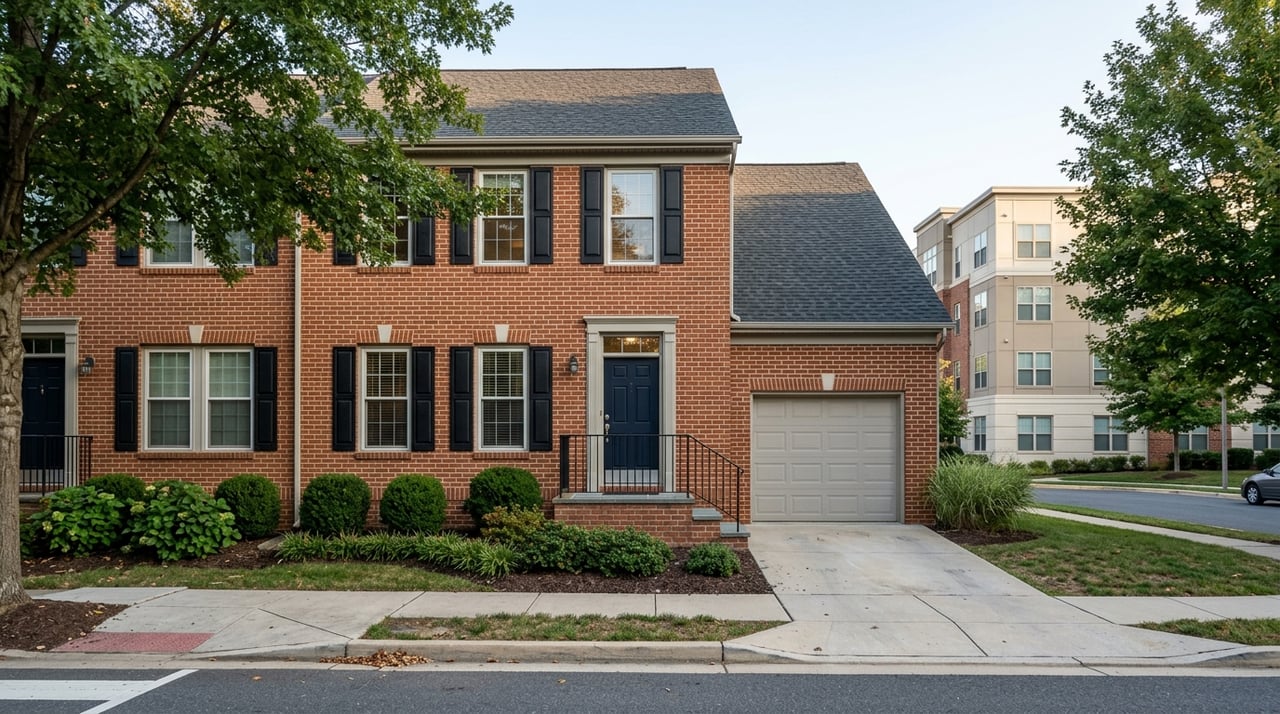
A townhome in a planned community often feels more house-like. Depending on the declaration, you may have different maintenance responsibilities than you would in a condo, and the association may cover a narrower set of items.
If you want more separation from neighbors, more private outdoor space, or a layout that feels closer to a single-family home, a townhome may be the better fit. The tradeoff is often a higher price point and potentially more owner responsibility.
Pricing differences in Falls Church
Price is one of the clearest dividing lines between condos and townhomes in Falls Church. In the City's 2024 demographics chapter, Falls Church recorded 52 condominium sales in 2023, with an average condo sale price of $516,951 and a median condo sale price of $530,000.
A separate current market snapshot shows a wide gap between condo/co-op pricing and townhouse pricing, listing a median condo/co-op price of $369,927 and a median townhouse price of $1,199,912. While snapshots can vary by source and timing, the broad takeaway is consistent: condos and townhomes tend to serve very different budgets in Falls Church.
Why monthly cost matters more than list price
The City's demographics report notes that households making about $3,333 a month had very limited for-sale options. That is one reason buyers often weigh condo dues, financing, and commute savings together instead of focusing on list price alone.
A condo with higher dues may still make sense if it reduces transportation costs or maintenance surprises. A townhome with a higher purchase price may still be worth it if you want more space and a different ownership structure.
Supply stays tight near transit
Falls Church has been a competitive market. The City's regional housing report shows the median price of homes sold in Falls Church rose from $580,000 in August 2013 to $792,500 in July 2023.
Homes have also moved quickly. The same report says median days on market in July 2023 was 6 days, with average monthly active listings from January 2021 through July 2023 at 1.3 townhomes and 4.6 condos.
That low inventory can affect how you plan your search. If you are targeting a transit-friendly location, it helps to define your non-negotiables early and be ready to compare options quickly.
What to check before you buy
Near-transit living can be convenient, but the tradeoffs vary by building, block, and corridor. A smart search goes beyond bedrooms and price.
Use this checklist as you compare condo and townhome options in Falls Church:
- Verify whether the property is actually inside the City of Falls Church, since some Falls Church mailing addresses are in Fairfax County.
- Ask exactly what the association fee covers, especially parking, snow removal, exterior maintenance, reserves, and EV charging.
- Decide whether your commute is rail-first or bus-first.
- If you expect to drive to Metro, compare station parking before you compare monthly HOA or condo dues.
- Consider whether you want a more house-like attached home or a lower-maintenance shared ownership setup.
Check redevelopment context
The City's Downtown and West End plans emphasize walkable, bicycle-friendly redevelopment, wider sidewalks, mixed-use growth, and better transit access around West Falls Church Metro, Broad Street, and Washington Street.
That can be a plus if you want convenience and connectivity. It also means you should ask practical questions about parking rules, loading areas, guest parking, and how association policies affect everyday living.
How to narrow your choice
If you are deciding between a Falls Church condo and townhome near transit, start with your routine before you start with finishes. The right answer usually comes down to how you commute, how much maintenance you want to handle, and how you want your monthly housing costs structured.
A condo may be the stronger fit if you want lower-maintenance ownership, easier access to shared amenities, and a lower entry point than most townhomes. A townhome may be the better match if you want a more house-like setup and are comfortable with a different price range and maintenance profile.
The best choice is the one that supports your real life, not just your wish list. With tight supply and fast-moving listings in Falls Church, a clear plan can help you move with less stress and better timing.
If you want help comparing Falls Church condos and townhomes near transit, Anthony C Ford can help you sort through commute options, association details, and market timing so you can buy with more clarity and confidence.
FAQs
What is the best Metro option for a Falls Church home near transit?
- East Falls Church offers Orange and Silver line access, while West Falls Church is on the Orange Line and has much more parking capacity. The better option depends on whether your commute is more rail-focused, bike-focused, or drive-to-Metro focused.
What is the difference between a Falls Church condo and townhome?
- In Virginia, condos and townhomes often have different legal and maintenance structures. Condos usually involve shared common elements and more shared maintenance, while townhomes in planned communities often feel more house-like and may come with different owner responsibilities.
Are condos more affordable than townhomes in Falls Church?
- In general, yes. The City's 2024 demographics chapter reports a 2023 median condo sale price of $530,000, and other market snapshots show townhouse pricing substantially higher than condo pricing in Falls Church.
How competitive is the Falls Church housing market near transit?
- Falls Church has shown tight inventory and fast sales. The City's regional housing report says median days on market was 6 days in July 2023, with very limited average monthly active listings for both condos and townhomes.
What should you ask about HOA or condo fees in Falls Church?
- Ask what the fee covers, especially parking, snow removal, exterior maintenance, reserves, and EV charging. In Virginia, those obligations depend on the condominium instruments or community declaration.
How do you confirm a home is in the City of Falls Church?
- Check carefully because some properties with a Falls Church mailing address are actually in Fairfax County. That distinction can affect local services, planning context, and how you evaluate the location.