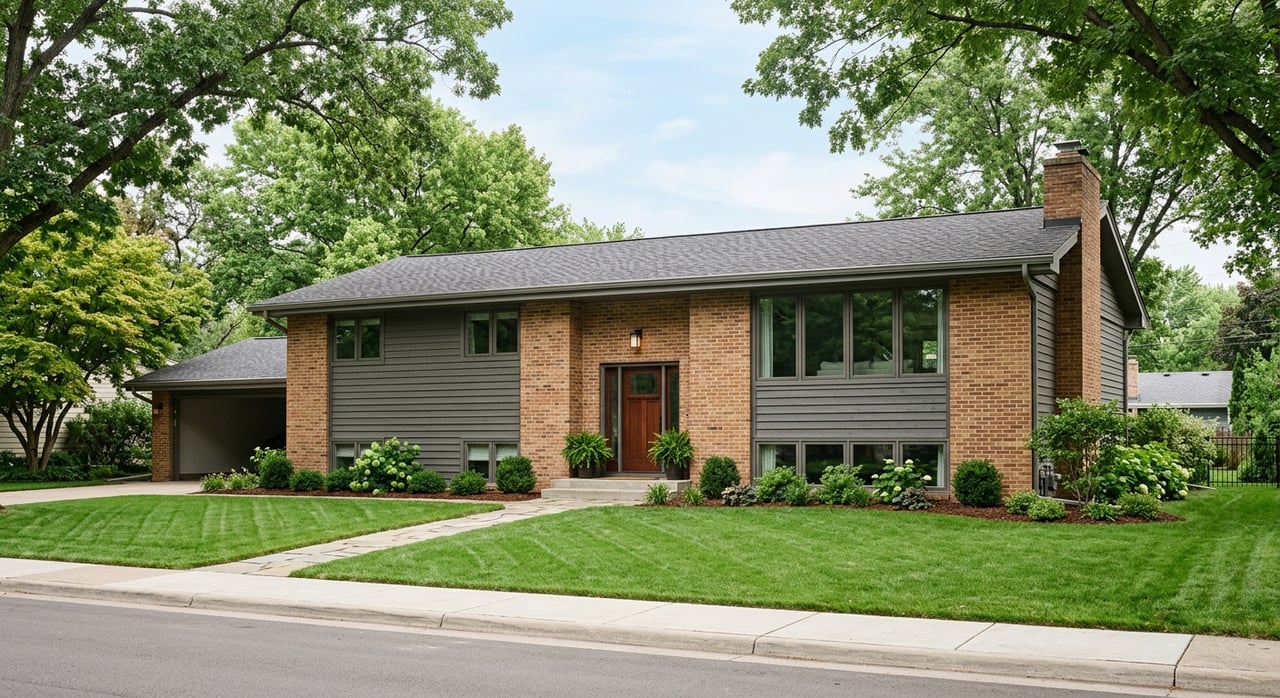
Thinking about leaving DC or Northern Virginia for Bethesda? You are not alone, and the move can make a lot of sense if you want a different housing mix, strong transit options, and a location that still keeps you connected to the wider D.C. metro area. The key is knowing that a Bethesda move is not just a shorter commute or a new ZIP code. It also means different housing costs, different property types, and different Maryland closing steps. Let’s dive in.
Why Bethesda attracts DC and Virginia buyers
Bethesda offers a mix that appeals to many relocating professionals and households. According to 2024 ACS estimates, Bethesda had 71,717 residents, a median household income of $187,236, and a workforce heavily concentrated in management, business, science, and arts occupations. Nearly one-quarter of workers worked from home, which helps explain why many buyers focus on space, layout, and flexible commuting options.
If you are moving from DC or Northern Virginia, Bethesda can feel familiar in some ways and very different in others. You still get close access to the region’s job centers, but your day-to-day housing choices may open up in a different way. Instead of thinking only in terms of city condo versus suburban detached house, you may find yourself comparing condos, townhomes, and single-family homes in the same search.
Bethesda housing looks more mixed
One of the biggest surprises for relocating buyers is that Bethesda is not one single housing story. The 2024 ACS shows that 51.8% of housing units are detached homes, while 41.3% are in structures with 20 or more units. That means both low-maintenance and more space-oriented options are part of the market.
This matters if you are coming from a DC condo or a Northern Virginia townhouse and trying to picture your next move. Bethesda gives you a real mix of property types, so your best choice often depends less on labels and more on how you want to live each day. Your commute style, maintenance tolerance, and monthly budget all need to work together.
What housing costs look like
Bethesda is a high-cost market, so it helps to set expectations early. The 2024 ACS estimates the median owner-occupied home value at $1,247,600 and the median gross rent at $2,364. Those numbers do not tell you what any one home will cost, but they do show why careful budgeting matters.
If you are relocating from DC or Northern Virginia, do not focus only on purchase price. You also want to think through your total monthly carrying cost, including taxes, insurance, utilities, maintenance, and any association fees. A home that looks manageable at first glance can feel very different once all the recurring costs are on the table.
Condo, townhome, or detached home?
For many Bethesda buyers, this is the real decision. A condo may offer easier upkeep and a more transit-friendly location. A detached home may give you more privacy and control. A townhome can sit somewhere in between.
The right answer depends on how you want to spend your time and money after closing. Some buyers want fewer exterior responsibilities. Others want more room and are comfortable handling repairs and upkeep directly.
What condo buyers should review
A condo can look more affordable on price alone, but that is not the whole picture. CFPB says HOA or condo dues are usually paid separately from the mortgage and can range from a few hundred dollars to more than $1,000 per month. Fannie Mae notes that condo fees often cover exterior maintenance, common areas, insurance, reserves, and amenities.
That makes document review especially important. Fannie Mae says lenders may review the condo project’s physical condition, financial stability, debts, lawsuits, and inspection issues. Buyers should also ask about special assessments, reserve funds, parking, and master insurance.
Another important point is timing. Fannie Mae notes that buyers usually have only a limited time to review condo documents after an offer is accepted. If you are relocating across jurisdictions, you want a plan in place to review those materials quickly and carefully.
What detached-home buyers should expect
A detached home usually gives you more control over the property. It also means more direct responsibility for maintenance, repairs, utilities, and insurance. CFPB reminds buyers that homeownership costs include property taxes, insurance, water, and maintenance, plus the need to cover anything from small fixes to major repairs.
If you are moving from a condo or apartment, that shift can be bigger than expected. Yard work, roof replacement, drainage issues, and systems maintenance are not abstract costs. They are part of the ownership picture and should be part of your budget from day one.
Commute reality in Bethesda
Commute planning matters, especially if you are choosing between Bethesda and parts of Northern Virginia or DC. Bethesda station is a Red Line Metrorail station, and WMATA notes that it does not have parking. It does have bike racks, lockers, and bikesharing, which makes it more of a walk, bike, and transit-oriented station than a drive-and-park stop.
That can be a great fit if you want to reduce car dependence, but it is something to understand before you buy. Your daily routine may depend more on walkability, local bus access, and building proximity to transit than you are used to in some Virginia neighborhoods.
Purple Line and local bus service
The Purple Line is a major long-term factor for Bethesda commuters. In May 2026, Maryland announced completion of the final rail installation on the 16.2-mile corridor from New Carrollton to Bethesda, with testing and completion work underway ahead of a late-2027 opening. For buyers planning several years ahead, that future connection could shape how certain locations feel and function.
There is also a short-term construction reality to keep in mind. WMATA says a new mezzanine is being built to connect to the future Purple Line Bethesda Station, and that the mezzanine will not be available until the Purple Line opens in 2027. WMATA’s advisory also says construction is underway through June 28, 2027 and minor Red Line delays are possible.
On the local side, Montgomery County’s FY26 budget made Ride On bus service free for all riders. That may sound like a small detail, but for last-mile commuting and short local trips around Bethesda, it can be very useful.
Maryland contracts and closing differ
If you are moving from DC or Virginia, the paperwork side of the transaction can be one of the biggest adjustments. A Montgomery County/DC buyer guide notes that the Maryland Realtors Residential Contract of Sale is used for Maryland, while the GCAAR Sales Contract is used in Montgomery County and DC, with jurisdiction-specific addenda required as appropriate. It also states that buyers have the right to have legal counsel review the forms.
For Montgomery County properties, buyers should also expect the REA disclosure or addendum. If you are buying a condo or HOA property, a resale package may also be required. This is one reason cross-jurisdiction relocation works best when your transaction is organized from the beginning.
Settlement and title rights in Maryland
Maryland gives buyers some settlement-related rights that are worth knowing. MREC says buyers have the right to choose their settlement agent and title insurer, receive settlement cost information early, get an itemized settlement statement before agreeing to the settlement agent, and receive the HUD-1 the business day before settlement.
If you are coming from Virginia, this may feel similar in some ways but different in execution. The main takeaway is simple: ask questions early, confirm who is handling each part of settlement, and do not assume the process works exactly the same across state lines.
Tax differences can affect your budget
One of the most common closing surprises for buyers moving into Maryland is transfer and recordation tax treatment. The Montgomery County/DC buyer guide states that Maryland generally splits recordation and state or county transfer taxes between buyer and seller unless negotiated differently. It also notes that the buyer’s share of the state transfer tax may be waived for certain first-time Maryland owner-occupants.
That is a different structure from DC, where deed recordation tax and deed transfer tax are treated as separate taxes. If you are comparing net closing costs between jurisdictions, it is important to look at the actual tax structure in the place where you are buying rather than assuming your previous experience will carry over.
Montgomery County tax steps to know
Montgomery County adds a few practical items at closing. The County says tax bills must be paid before a property transfer or refinance can take place. The County also notes that Maryland’s Homestead Property Tax Credit is a one-time application for a principal residence, and settlement is supposed to include presentation of the Homestead Application.
There is also a local budgeting angle. Montgomery County’s FY26 budget kept property tax rates unchanged and included a $692 property tax credit for owner-occupied principal residences with a Homestead Tax Credit application on file. If you are relocating to Bethesda as your primary residence, that paperwork is worth tracking carefully.
How to plan your relocation smoothly
A move from DC or Northern Virginia to Bethesda usually works best when you treat it as two coordinated tracks. One track is your move itself, including timing, financing, and home search. The other is the jurisdiction-specific side, including contract forms, disclosures, taxes, title, and settlement.
A simple planning checklist can help:
- Decide early whether your priority is space, lower-maintenance living, or transit access
- Compare condos, townhomes, and detached homes based on total monthly cost, not just price
- Review condo or HOA fees separately from mortgage estimates
- Ask about resale packages, special assessments, parking, reserve funds, and insurance for condos
- Confirm contract forms and addenda for the Maryland side of the transaction
- Budget for Maryland transfer and recordation tax treatment
- Track Homestead Property Tax Credit paperwork if the home will be your principal residence
- Build in extra attention for settlement timing and document review
When you have a clear process, the move feels much less overwhelming. That is especially true when you are balancing work, moving logistics, and a purchase in a different jurisdiction.
Why local guidance matters
Relocating across the DC, Maryland, and Virginia line is rarely difficult because of one dramatic issue. It is usually the smaller differences that create stress, such as contract forms, tax expectations, condo review windows, or transit assumptions that do not match your daily routine.
That is why local, hands-on guidance matters so much. You want someone who can help you compare property types realistically, coordinate the moving pieces, and keep your timeline on track from showing to settlement.
If you are weighing a move to Bethesda from DC or Northern Virginia, personalized relocation support can make the process far more manageable. When you are ready to talk through neighborhoods, property types, timing, and cross-jurisdiction logistics, reach out to Anthony C Ford.
FAQs
What is the housing mix like in Bethesda for relocating buyers?
- Bethesda has both detached homes and a substantial multifamily housing share, so buyers often compare condos, townhomes, and single-family homes rather than focusing on one dominant property type.
Are condo fees in Bethesda included in your mortgage payment?
- Usually not. HOA or condo dues are typically paid separately from the mortgage and can add a meaningful monthly cost.
What should buyers review when buying a Bethesda condo?
- Buyers should review the condo association’s finances, reserve funds, special assessments, parking, insurance, and any resale or disclosure documents within the review period.
How does commuting from Bethesda work for former DC or Virginia residents?
- Bethesda station is Red Line only and does not have parking, so many commuters rely on walking, biking, bus connections, or nearby drop-off access rather than driving to Metro.
What closing difference matters most when moving to Bethesda from DC or Virginia?
- The biggest differences are usually Maryland-specific contract forms, disclosure packages, and transfer or recordation tax treatment at closing.
What Montgomery County tax step should Bethesda buyers remember?
- If the Bethesda home will be your principal residence, keep an eye on the Homestead Property Tax Credit application because it is a one-time filing tied to owner-occupied status and local tax benefits.