If you want a Northern Virginia community where nature, daily convenience, and neighborhood gathering places all work together, Reston deserves a close look. You may be comparing commute options, housing choices, or simply the feel of one area versus another. This guide will help you understand what everyday life in Reston actually looks like, from lake paths and wooded trails to village centers and Metro-connected hubs. Let’s dive in.
What Makes Reston Different
Reston was planned as a new town in 1961, and that original vision still shapes how the community feels today. According to Fairfax County’s history of Lake Anne, the village-center and greenbelt concept became a major planning achievement and a defining part of Reston’s identity.
That design matters because Reston is not just a collection of subdivisions around a few parks. Its open spaces, trails, and neighborhood centers were intended to connect daily life, making it easier for you to move between home, recreation, and local services in a more integrated way.
Reston is also sizable and established. U.S. Census QuickFacts for Reston lists a 2020 population of 63,226, along with an owner-occupied housing rate of 60.6%, a median owner value of $642,000, median monthly rent of $2,231, and median household income of $148,710.
Reston Lakes Shape Daily Life
One of the first things many buyers notice about Reston is how often water shows up in the landscape. Reston Association says the community’s four man-made lakes are Lake Anne, Lake Thoreau, Lake Audubon, and Lake Newport.
Together, those lakes cover 125 acres and support fishing, boating, wildlife watching, and lakeside picnicking. The same Reston Association resource notes that walking near or around the lakes is a popular activity, which helps explain why these areas feel like part of everyday life rather than occasional destinations.
If outdoor access is high on your list, this is an important distinction. In Reston, scenic water views are woven into neighborhood routines, whether you are heading out for a morning walk, taking an evening stroll, or looking for a quiet place to unwind nearby.
It is also helpful to know the rules behind the scenery. Reston Association states that swimming is prohibited in the lakes and ponds, so the lifestyle here is centered more on walking, boating, fishing, and enjoying the setting from shore.
Trails Connect Neighborhoods
Reston’s trail network is one of its biggest lifestyle advantages. Reston Association’s trails page says the community has more than 55 miles of paved pathways and natural-surface trails.
Those trails are not described as stand-alone recreation features. Reston Association says they connect neighborhoods, schools, and shopping areas, which makes them part of how people move through the community day to day.
For you as a buyer, that can translate into a more connected feel between home and daily errands or leisure time. Instead of driving everywhere by default, you may find that a walk to a nearby center, a path through the trees, or a route around a lake becomes part of your regular routine.
Another notable outdoor resource is the Walker Nature Center, which sits within Reston’s open-space system. Reston Association describes it as a 72-acre woodland area with one mile of loop trails, a LEED Gold education building, and year-round environmental education access.
Open Space Is a Real Asset
Reston’s green character is backed by scale, not just marketing language. Reston Association says it serves a community of more than 60,000 people and maintains over 1,300 acres of open space, including lakes, streams, wetlands, forests, and meadows.
It also operates 15 outdoor pools, which adds another layer to how residents use community amenities in warmer months. When you combine that with the trails, lakes, and wooded areas, Reston offers a lifestyle where outdoor access is not limited to a single park or isolated recreation area.
That can be especially appealing if you want a neighborhood that feels active without feeling overly dense everywhere. You get a mix of planned community infrastructure, mature landscapes, and practical recreation options that support everyday living.
Village Centers Add Convenience
Reston’s village centers are a major part of what makes the area function so well at the neighborhood level. Fairfax County’s Reston Comprehensive Plan says the existing village centers, including Lake Anne, Hunters Woods, South Lakes, and North Point, are intended to remain focal points for nearby neighborhoods.
The plan says these centers provide local-serving retail, restaurants, professional offices, and public gathering spaces. It also emphasizes plazas, pedestrian links, and trail connections, which reinforces the idea that convenience in Reston is often designed around access and walkability.
For you, that can mean a different rhythm of daily life. Rather than treating shopping and dining as activities that always require a major drive, you may have neighborhood-scale options closer to home and connected by paths or short local trips.
Lake Anne Has Historic Character
Lake Anne stands out because it is both functional and historically significant. Fairfax County notes that it was the first village center built in Reston, designed around a lake and plaza at a pedestrian scale, and is now recognized as a historic district.
That gives the area a different texture from many newer suburban commercial nodes. If you enjoy places with a sense of history, a waterfront setting, and a more intimate layout, Lake Anne offers a distinctive side of Reston’s identity.
It also helps tell the larger story of the community. Reston was planned with gathering places built into neighborhood life, and Lake Anne remains one of the clearest examples of that original vision still in use today.
Reston Town Center Offers Energy
While village centers serve nearby neighborhoods, Reston Town Center fills a broader role. Its official site says it includes more than 50 retailers, 35 restaurants, and a multi-screen cinema.
The Town Center also hosts recurring events, including the Tephra ICA Arts Festival, a free summer concert series, and seasonal ice skating at the pavilion. If you want more activity, dining options, or events close to home, this area brings a more urban, regional energy than the smaller village centers.
That contrast is part of what makes Reston appealing to many buyers. You can enjoy neighborhood-scale convenience in one setting and a more active mixed-use hub in another, without leaving the community.
Metro Access Supports Mobility
Transit is another piece of the lifestyle picture. WMATA’s Reston Town Center station page says the station is a short walk to dining, shopping, entertainment, the YMCA, the Washington and Old Dominion Trail, and residential options.
WMATA also notes there is no commuter parking at Reston Town Center station. Nearby, the Wiehle-Reston East area is similarly described as having access to shops, housing, office space, and regional bus connections.
If your search includes commute flexibility, access to transit-oriented areas, or the ability to live near services without depending entirely on a car, these Metro-connected parts of Reston may deserve extra attention.
Housing Options Vary Across Reston
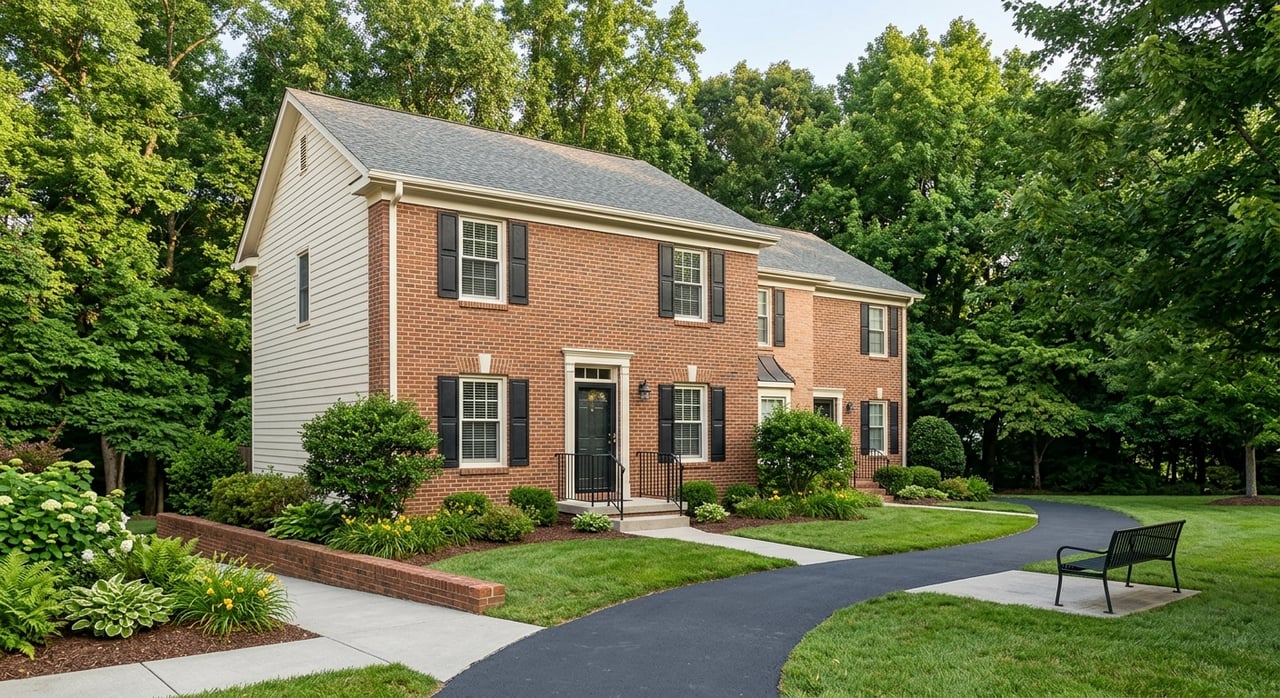
Reston is not a one-format housing market. Fairfax County’s comprehensive plan describes a wide range of densities, architectural styles, and home types, including single-family detached homes, townhouse clusters, and multifamily communities.
The same plan also calls for preserving older low-rise multifamily and townhouse stock, along with more modest or “missing middle” homes. That matters if you want options across different price points, life stages, or maintenance preferences.
In practical terms, your lifestyle goals can help narrow the right fit. If you want to be closer to walkable centers or Metro access, you may focus on condos or townhomes in those areas. If you prefer more traditional neighborhood settings, you may be drawn to established residential sections with detached homes and mature trees.
Community Events Add Local Flavor
Lifestyle is not only about physical design. It is also about what happens there over time, and Reston Association’s events calendar reflects a year-round pattern of community programming.
The association lists events and programs such as nature walks, bird walks, Arbor Day, Egg-stravaganza, Senior Movie Day, Winterfest, the Community Yard Sale, the Multicultural Festival, Halloween House and Trick-or-Treat Trail, Cookies with Santa, and the Friends of Reston Fall 5K.
For you, that can mean more chances to connect with the area beyond your own block or building. A steady calendar of events often helps a community feel more lived-in and active, especially when those events tie back to Reston’s outdoor spaces and gathering places.
Who Reston May Appeal To
Reston can be a strong fit if you want a community where nature and convenience are both part of daily life. The combination of lakes, pathways, village centers, and transit-connected hubs creates a lifestyle that feels structured but not rigid.
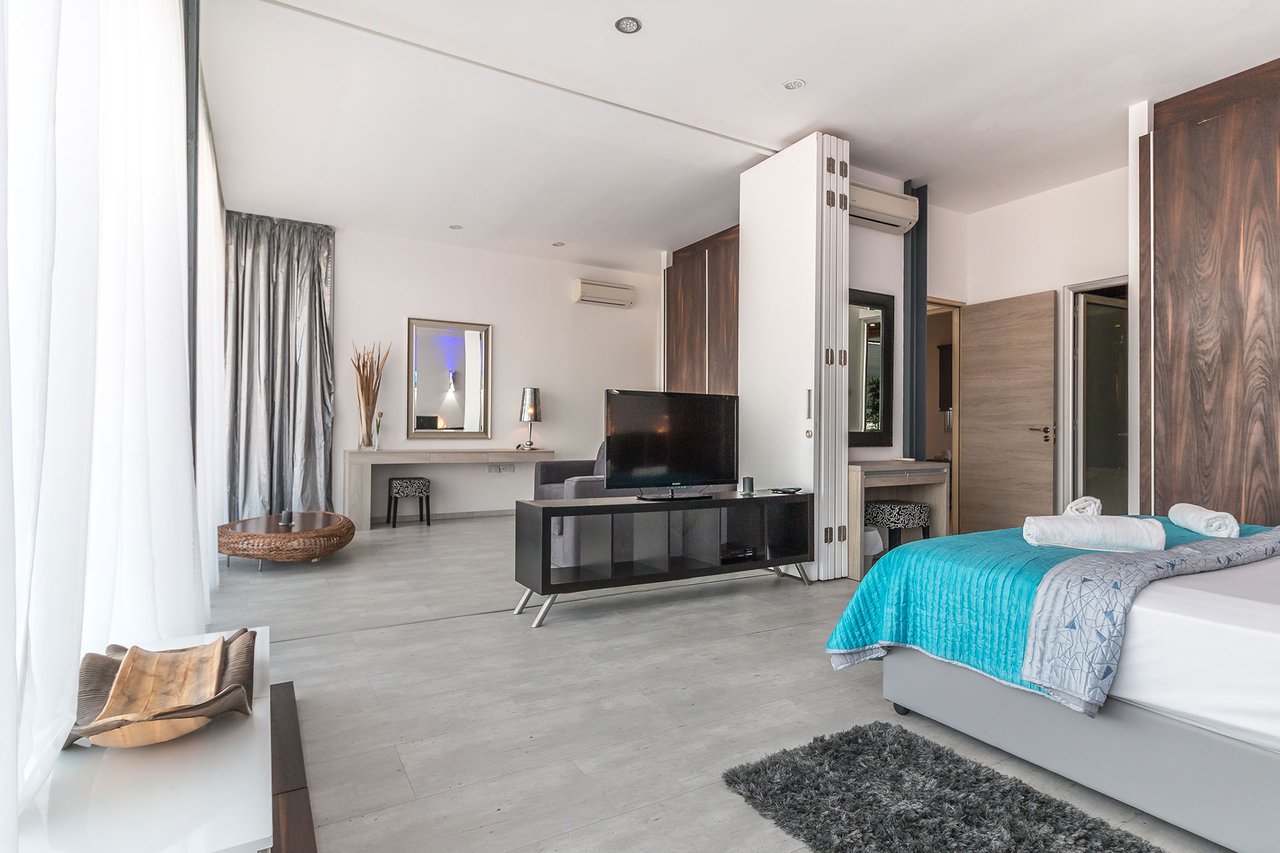
You may also appreciate Reston if you want housing variety within one established area. With condos, townhomes, and detached homes all part of the mix, the community can serve first-time buyers, move-up buyers, downsizers, and relocating professionals looking for different levels of space and maintenance.
Just as important, Reston offers a sense of place that goes beyond a typical subdivision search. Its planning history, open-space network, and neighborhood centers give it a recognizable identity that many buyers find hard to replicate elsewhere in Northern Virginia.
Thinking About a Move to Reston?
If Reston sounds like the kind of community that matches your lifestyle, the next step is figuring out which part of it fits you best. Your ideal location may depend on whether you want lake access, trail connectivity, proximity to a village center, or easier access to Metro and Reston Town Center.
That is where local guidance can make your search much more efficient. Whether you are buying your first condo, moving up to a larger home, or planning a move into Northern Virginia, Anthony C Ford can help you evaluate neighborhoods, compare housing options, and navigate the process with clear, responsive support.
FAQs
What is daily life like in Reston, VA?
- Daily life in Reston often centers on a mix of neighborhood convenience and outdoor access, with lakes, trails, village centers, community events, and Metro-connected areas all shaping how residents move through the community.
What lakes are in Reston, VA?
- Reston’s four man-made lakes are Lake Anne, Lake Thoreau, Lake Audubon, and Lake Newport, according to Reston Association.
How many trails are in Reston, VA?
- Reston has more than 55 miles of paved pathways and natural-surface trails, according to Reston Association.
What village centers are in Reston, VA?
- Fairfax County identifies Lake Anne, Hunters Woods, South Lakes, and North Point as Reston’s existing village centers.
What types of homes are available in Reston, VA?
- Fairfax County says Reston includes single-family detached homes, townhouse clusters, and multifamily communities, with a range of densities and housing styles across the area.
Is Reston, VA good for Metro access?
- Reston includes Silver Line access, and WMATA says the Reston Town Center and Wiehle-Reston East areas connect riders to nearby shopping, dining, housing, and other services.