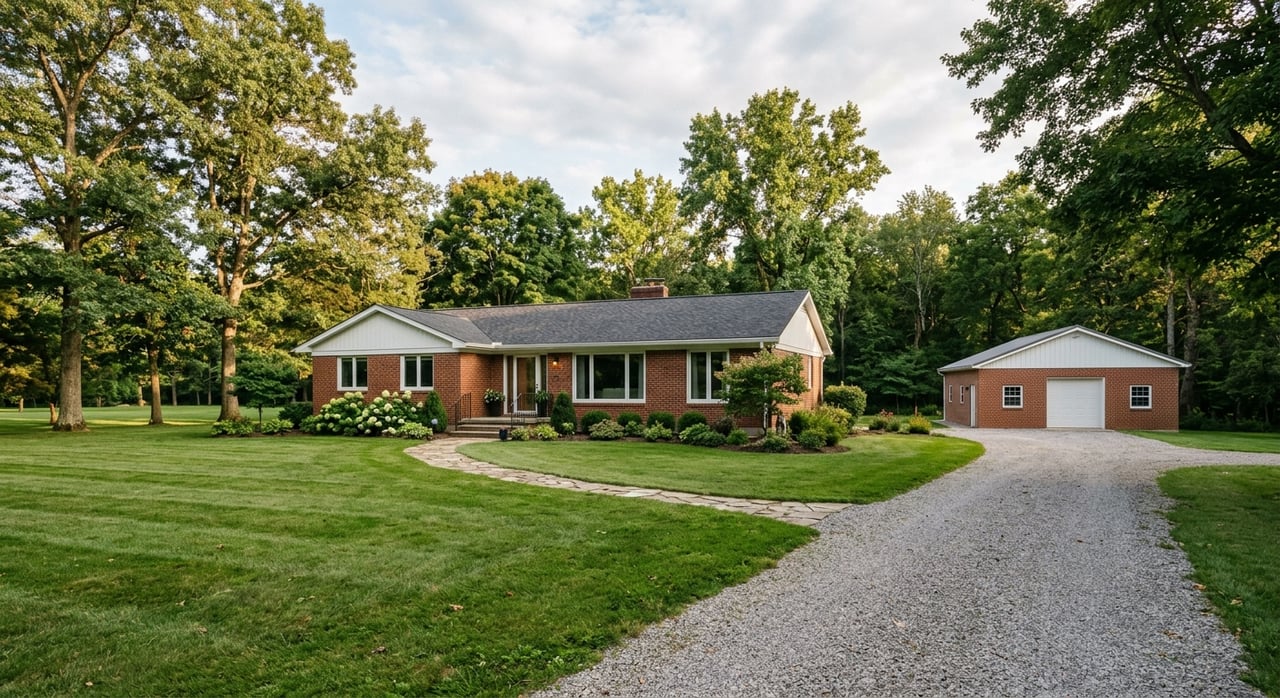
Thinking about buying a home with land in Rockville, VA? It can be an exciting move, but it also comes with a different set of questions than buying a home on a standard suburban lot. If you want more space, privacy, room for outbuildings, or flexibility for future use, this guide will help you understand what to check before you buy. Let’s dive in.
Why Rockville land purchases are different
Buying a home with land in Rockville is not always as simple as comparing acreage numbers. In Hanover County, residential growth is largely directed to the Suburban Service Area, while much of the rest of the county remains rural or agricultural in character. That matters because properties in and around Rockville often come with larger lots, rural-use features, and parcel-specific issues that need closer review.
Just as important, “home with land” can mean very different things here. In the Rockville area, available parcels can range from under an acre to several acres, and nearby Hanover listings can extend much higher. So when you search for a home with land, you need to define whether you want a larger homesite, usable acreage, or a true multi-acre property with long-term flexibility.
Start with zoning, not just acreage
A common mistake is assuming that more land automatically means more options. In Hanover County, every property has a zoning designation, and what you can do with that property depends on whether the use is allowed by right, needs a conditional use permit, requires a special exception, or would need rezoning.
That is why zoning should be one of your first checks. If you are hoping for a workshop, detached garage, guest space, or future family housing arrangement, the acreage alone does not answer the question. You need to know what the current zoning allows today.
Why lot size rules can be tricky
Hanover County’s rules vary by zoning district, and the minimum lot size can change a lot depending on where the property sits. For example, in the A-1 agricultural district, new single-family subdivision lots generally require 10 acres, while family homesteads can be 2 acres. In AR-6, parcel and lot-size standards differ based on tract size, and in RS districts, detached dwelling density rules apply differently.
The practical takeaway is simple: two properties with similar acreage may not offer the same options. If you are comparing homes with land in Rockville, you want to evaluate the actual zoning district and lot standards for each parcel, not just the listing description.
A useful county tool to request
If anything about a property seems unclear, Hanover County offers zoning compliance letters. These can verify the current zoning designation and may also identify outstanding violations, special exceptions, conditional use permits, site plans, and variances.
That can be especially helpful if the property has multiple structures or a history of additions. It is a smart way to get clarity before you move too far into the transaction.
Check outbuildings and extra structures carefully
Many buyers looking for land want more than a house. You may be picturing a barn, shed, detached garage, or additional space for hobbies, storage, or equipment. In Rockville, those features can be a big advantage, but they should be verified carefully.
Hanover County distinguishes between accessory structures, guest-house use, and an Accessory Family Housing Unit, which requires Board of Supervisors approval. In other words, an existing extra structure on the property is not automatically approved for every use you might have in mind.
Questions to ask about existing structures
Before you buy, it helps to confirm:
- Whether each outbuilding was properly permitted
- Whether the structure is considered an allowed accessory use
- Whether setback, height, and access rules are met
- Whether any second dwelling or guest-style use has the required approval
If a property includes a farm structure, there may be additional criteria tied to acreage and agricultural use. The county’s zoning compliance affidavit also references legal access, so the structure itself is only part of the picture.
Legal access matters more than many buyers expect
A beautiful parcel is not enough if access is unclear. Hanover County materials specifically point buyers toward confirming that a property has legal means of access. That means you should not assume a driveway, lane, or visible entrance tells the whole story.
With homes on land, access can involve recorded easements, road frontage, or shared-use arrangements that need to be reviewed. A property can look straightforward in person but still deserve a close look through county mapping and title review.
Confirm water and sewer early
Utilities are one of the biggest differences between a typical suburban purchase and a rural or semi-rural land purchase. Some Rockville-area properties may depend on private wells and onsite sewage systems rather than public water and sewer. That is not unusual, but it does mean you need to do more homework.
According to the Virginia Department of Health, properties not served by public sewer or a public water system require permitting for a private well and or onsite sewage system before the county can issue a building permit. That can affect your plans if you are thinking about future improvements or changes to the property.
What to know about older records
If you are buying an older rural property, incomplete records can be an issue. The Virginia Department of Health notes that septic permits were not mandatory until about 1986, and well permits were not mandatory until about 1988.
So if paperwork does not immediately appear, that does not always mean something is wrong. It does mean you should avoid assumptions and ask for as much documentation and county or health department history as possible.
Septic maintenance can follow the property
Hanover County also notes that septic systems in Chesapeake Bay Preservation Areas are subject to a pump-out or inspection cycle every five years. The county health department may also help locate an unknown septic tank, and owners are encouraged to keep maintenance records.
For you as a buyer, that means septic due diligence is not just about whether a system exists. You also want to understand maintenance history, location, and any ongoing compliance responsibilities tied to the property.
Use county GIS before you fall in love
One of the best first-step tools for a Rockville land purchase is Hanover County GIS. The county’s mapping resources include parcel search tools, tax and zoning maps, surveyor maps, active land-use cases, and flood-related mapping tools.
This can help you evaluate a property before you get too attached. You can start checking property boundaries, terrain, potential easements, access points, and flood-related concerns early in your search.
What GIS can help you spot
County mapping tools can be useful for reviewing:
- Parcel shape and boundaries
- Road frontage and possible access issues
- Zoning map location
- Topography and site layout
- Flood-related map details
- Nearby land-use context
These tools do not replace full due diligence, but they can help you ask better questions sooner.
Understand the land-use program if acreage is part of your plan
If you are buying a property for a long-term hold, hobby farm use, or another qualifying land use, Hanover County’s Land Use Program may be worth understanding. The county says qualifying land may be assessed based on use value rather than market value.
However, this is not simply a discount. The county describes it as a deferral, and deferred amounts may have to be repaid if the use changes to a more intensive use.
Basic eligibility points
Hanover County requires A-1 zoning and minimum acreage thresholds by category. The county states that the minimum is 5 acres for agricultural, horticultural, or open-space use, and 20 acres for forest use, excluding a 1-acre house site.
If this program matters to your purchase decision, it is smart to confirm both current participation and future eligibility. You will also want to understand the application windows and the risk of rollback if the property use changes later.
A smart checklist for buying a home with land
If you are serious about buying a home with land in Rockville, focus on a few core checks early. These steps can help you avoid surprises and make better comparisons between properties.
Your Rockville acreage checklist
- Confirm the property’s zoning district
- Review whether your intended use is allowed
- Verify legal road access and any easements
- Check if the home uses public utilities or private well and septic
- Ask whether barns, sheds, garages, or other structures were permitted
- Review flood, boundary, and terrain details through county GIS
- Consider requesting a zoning compliance letter if anything is unclear
- Verify the status of existing structures through Hanover County’s community development process
Each of these steps can affect how you use the property, what improvements may be possible, and how confident you feel moving forward.
Why guidance matters with land purchases
Buying a home with land usually involves more moving parts than buying a home in a standard subdivision. You may need to sort through zoning details, utility questions, structure permits, and county records while still making a smart offer and keeping your timeline on track.
That is where strong representation can make a real difference. When you have a responsive agent who helps you ask the right questions early, you can make more informed decisions and avoid chasing a property that does not fit your goals.
If you are exploring homes with land in Rockville or anywhere in the greater Virginia market, Anthony C Ford can help you navigate the process with clear communication, practical guidance, and hands-on support from search to closing.
FAQs
What does “home with land” mean in Rockville, VA?
- In Rockville, a home with land can mean anything from an oversized lot to a multi-acre tract, so you should look beyond the acreage number and evaluate zoning, access, and utility details.
Why is zoning important when buying land in Hanover County?
- Hanover County zoning determines what uses are allowed on a property, whether approvals are needed, and whether features like outbuildings or additional housing may be permitted.
How can you verify zoning for a Rockville property?
- You can review county zoning information and, if needed, request a Hanover County zoning compliance letter to confirm zoning designation, certain approvals, and possible violations.
What should you check about wells and septic systems in Rockville?
- You should confirm whether the property uses private well and septic, review available permits and maintenance records, and avoid assuming older properties will have complete records on file.
Can you add a barn or detached garage to a home with land in Hanover County?
- It depends on the property’s zoning, whether the structure is an allowed accessory use, and whether setback, height, access, and permit requirements are satisfied.
How can Hanover County GIS help with a land purchase?
- Hanover County GIS can help you review parcel boundaries, zoning maps, access points, topography, and flood-related information before you move forward with a purchase.
What is Hanover County’s Land Use Program?
- It is a county program that may assess qualifying land based on use value rather than market value, but it is a deferral that may need to be repaid if the property use changes.